
Blog
KPV Peptide and Inflammatory Acne: What Researchers Have Found

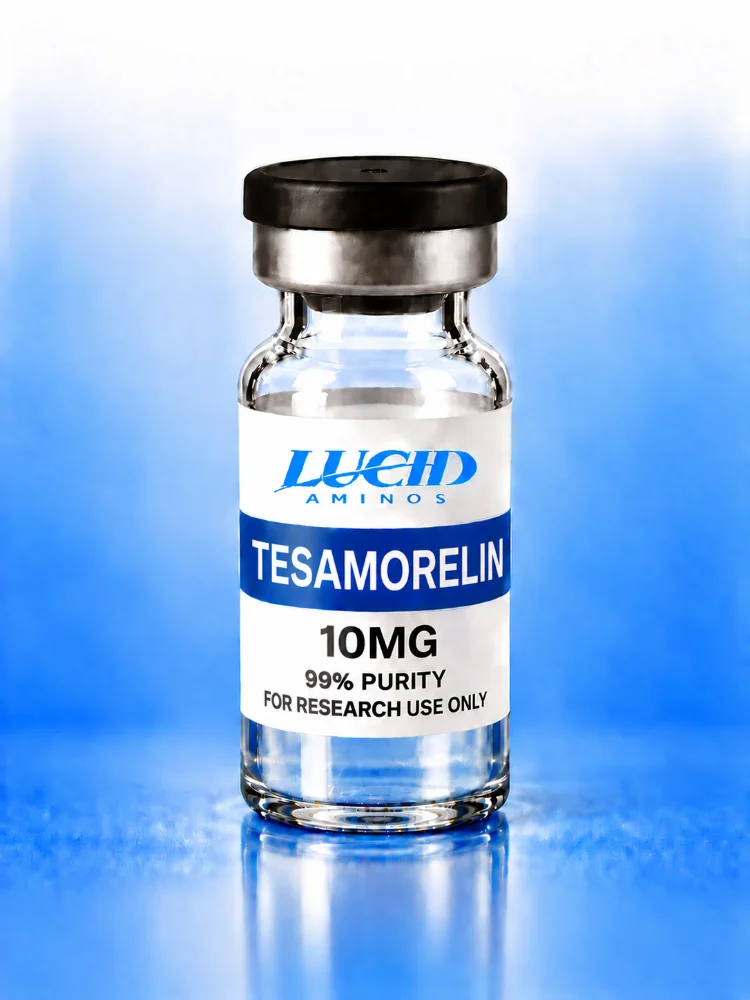
KPV is a very small peptide, only three amino acids long, but it gets a lot of attention in inflammation research. This guide explains what it is and why skin researchers are interested in it.
What KPV is
KPV is made of lysine, proline and valine. It is the C-terminal tripeptide of alpha-melanocyte-stimulating hormone (alpha-MSH), a signaling molecule that helps regulate inflammation and pigmentation. Researchers noticed that this tiny fragment kept much of the anti-inflammatory activity of the larger hormone without some of its other effects.
Why inflammation matters in acne
The red, swollen, painful part of acne is an inflammatory reaction. Bacteria, oil and dead cells in the follicle trigger immune signaling molecules, and that signaling is what turns a clogged pore into a lesion. Any compound that influences those inflammatory pathways is interesting to acne researchers.
What the studies describe
- Reduced inflammatory signaling in several cell and animal models
- Activity in gut and skin inflammation models
- The ability to enter cells and affect the NF-kB inflammatory pathway in some experiments
Limits and honest caveats
Most evidence comes from laboratory models. There is limited human data, and results from the lab do not automatically translate to people. KPV should be viewed as an area of active research, not a proven treatment.
How researchers handle it
KPV is supplied as lyophilized powder and reconstituted with a sterile solvent such as bacteriostatic water for lab work. Always check the certificate of analysis for purity.
Browse the research compounds
Explore KPV 10mg and the Healing Bundle. Every compound is for laboratory research use only, and batch-specific lab reports are on the COA page.
This article is educational and discusses published laboratory research. It is not medical advice, and the compounds mentioned are sold for research use only, not for human use.
Explore Lucid Aminos
- Shop all research compounds
- Read the lab reports (COA)
- Frequently asked questions
- Partner program
- About Lucid Aminos
- Contact us
For laboratory research use only. Not for human or veterinary use, and not intended to diagnose, treat, cure or prevent any condition. This article is educational and is not medical advice.