
Blog
Nasal Peptides: A Reality Check on Why the Nose Is a Difficult Door

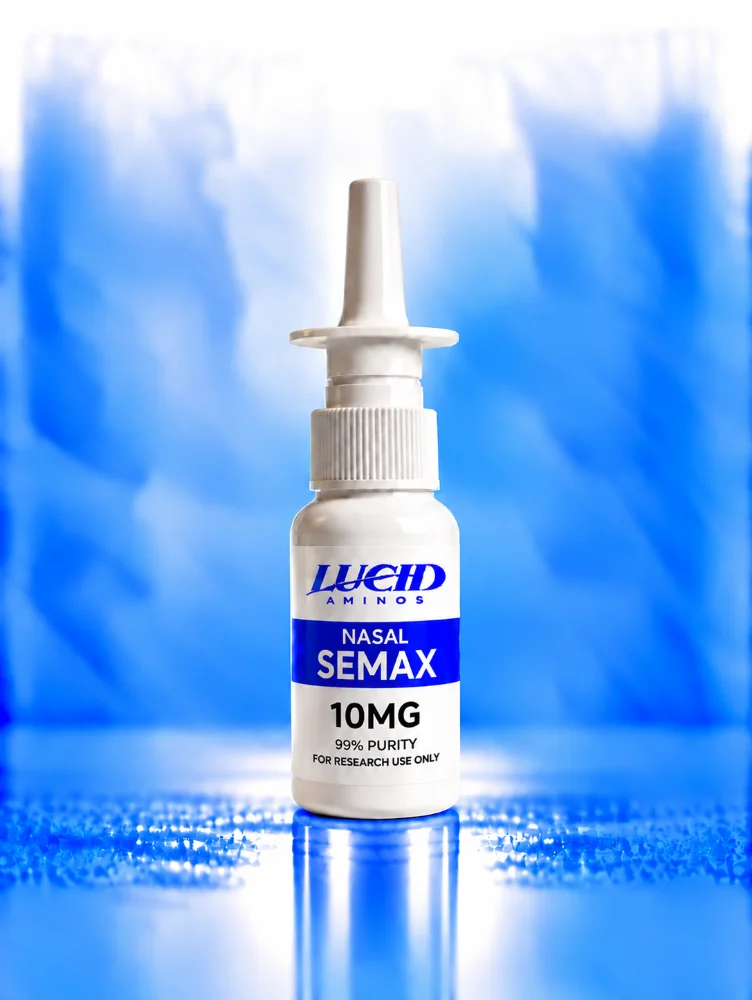
Spray a peptide into the nose and it sounds simple. The biology says otherwise. The nasal lining is a tough, moving, enzyme-rich barrier, and peptides are the kind of molecule it handles worst.

Key takeaways
- Peptides are larger and more polar than the small molecules that cross membranes easily.
- Mucus is cleared from the nose within roughly 15 minutes in typical models.
- Enzymes in nasal tissue cut peptides before they cross.
- Absorption enhancers help in research but add their own complications.
- Delivery claims need measured data, not assumptions.
Three barriers in a row
- The mucus layer traps and moves material toward the throat, covered in our clearance post.
- The epithelial cells have tight junctions that block large polar molecules.
- Peptidases in the tissue degrade peptides, a theme in stability assays.
Why researchers still try
The nose offers a large, well-supplied surface and avoids some metabolism. That is why it is studied. Enhancers such as chitosan or cyclodextrins are explored, as discussed in our permeation enhancers post.
Spray physics
Droplet size and plume shape decide where the liquid lands, a topic in our spray geometry post. Too fine and it goes deep, too coarse and it drips out.
The honest conclusion
Measured data decides. A claim that a peptide reaches a target through the nose needs evidence of concentration at that target. Learn what to look for in the evidence ladder. For a related compound see the Semax design post.
Related reading
Explore Lucid Aminos
- Shop all research compounds
- Read the lab reports (COA)
- Monthly Research Panel
- Frequently asked questions
- Partner program
- About Lucid Aminos
- Contact us
For laboratory research use only. Not for human or veterinary use, and not intended to diagnose, treat, cure or prevent any condition. This article is educational and is not medical advice.