
Blog
KPV Explained: The Three-Amino-Acid Fragment Studied for Skin and Gut Inflammation

KPV stands for lysine-proline-valine, three amino acids in a row. It is the tail end of a larger hormone called alpha-MSH, which the body uses to calm inflammation.
Why a fragment?
Alpha-MSH has 13 amino acids. Scientists tested which pieces carry the anti-inflammatory signal and found that the last three, KPV, keep much of it. A smaller molecule is easier to make and study, which is why KPV became a research favorite.
What the studies describe
- In cell experiments, KPV reduced signals tied to NF-kB, a master switch for inflammatory genes.
- In mouse models of intestinal inflammation, a transporter called PepT1 helped KPV enter gut cells, and treated animals showed less inflammation.
- Skin-related work is earlier-stage and mostly in cultured cells.
The connection to acne
Inflammation is step four of acne, the stage where a plug becomes a red bump. A peptide that quiets inflammatory signaling in cells is naturally interesting to people studying that stage. That is an interest, not a result in people.
Key caveats
- Most evidence is preclinical (cells and animals).
- KPV is not an approved drug for any condition.
- Peptide purity and identity matter, so researchers should always confirm with a certificate of analysis.
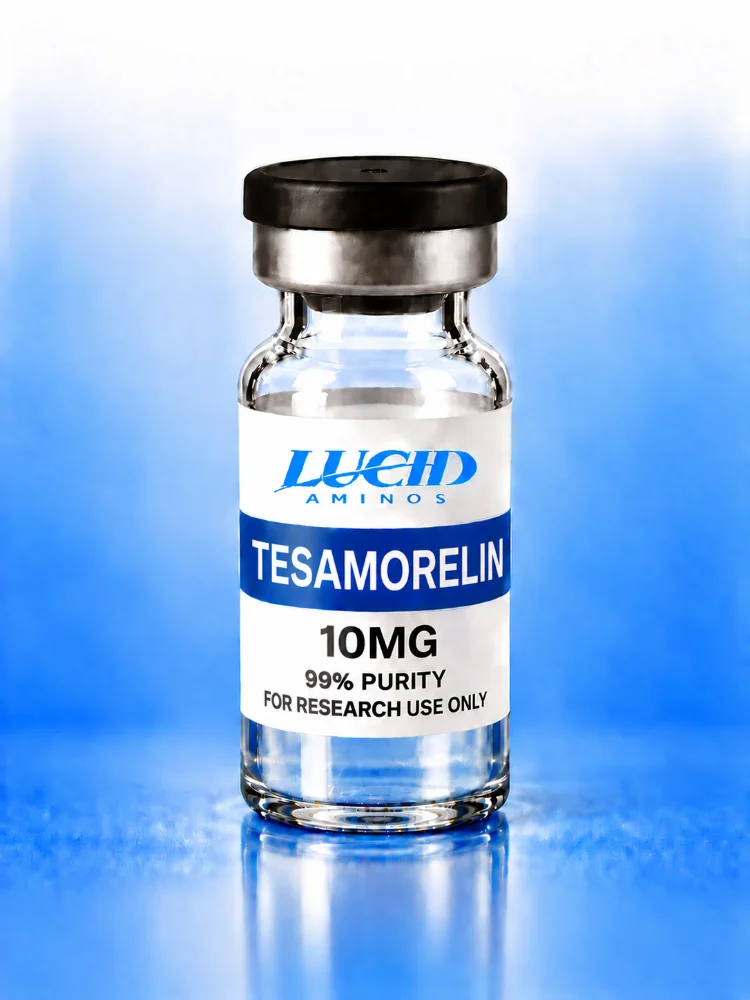
KPV 10mg is available from Lucid Aminos strictly for laboratory research. You can read our lab reports on the COA page linked below.
Explore Lucid Aminos
- Shop all research compounds
- Read the lab reports (COA)
- Frequently asked questions
- Partner program
- About Lucid Aminos
- Contact us
For laboratory research use only. Not for human or veterinary use, and not intended to diagnose, treat, cure or prevent any condition. This article is educational and is not medical advice.