
Blog
Hot Take: A Peptide Without a Lot Number Is Just a White Powder With a Story

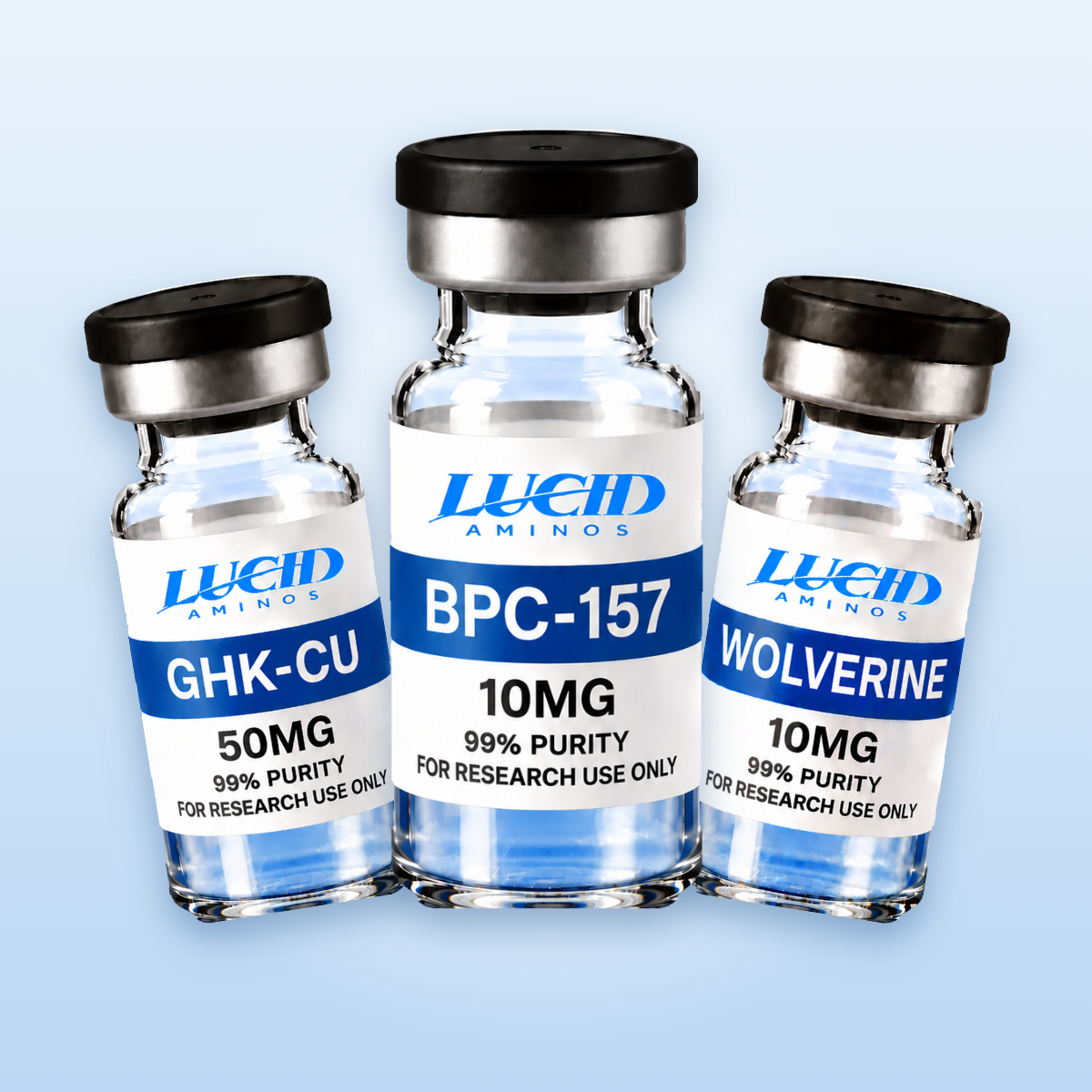
Anyone can type a number onto a webpage and call it purity. The thing that separates data from decoration is traceability: can the result be tied to the exact vial in your hand? If not, the report is a story.

Key takeaways
- A lot number links a vial to a specific manufacturing batch.
- A real report names the lab, the method, the date and the lot.
- Reports without a lot number cannot be matched to your vial.
- Missing details are a reason to ask questions, not to assume the worst.
- One tested lot says nothing about the next lot.
What a lot number does
A lot, or batch, is a set of vials made together. Test results describe that set. If the number printed on your vial and the number on the report match, the data speak for your vial. If there is no lot number, anybody could attach any report to any vial. This idea runs through our report authenticity guide.
Four checks for any report
- Does the lot number match the vial?
- Does it name the method (HPLC, mass spectrometry) and the instrument conditions?
- Is there a date and the name of the testing lab?
- Do the numbers add up, such as a mass matching the expected sequence? See HPLC versus mass spectrometry.
Why one lot is not enough
Manufacturing varies. A great result for one batch does not guarantee the next. That is the point of our batch variability post, and the reason a Monthly Research Panel style of repeated testing exists.
A fair conclusion
Skepticism is healthy but should be fair. Ask for the lot, ask for the method, and compare. Our lab reports page shows how we document ours, and the evidence ladder explains how to rank claims.
Related reading
Explore Lucid Aminos
- Shop all research compounds
- Read the lab reports (COA)
- Monthly Research Panel
- Frequently asked questions
- Partner program
- About Lucid Aminos
- Contact us
For laboratory research use only. Not for human or veterinary use, and not intended to diagnose, treat, cure or prevent any condition. This article is educational and is not medical advice.